24 October 2026
Why Artificial Roof Covering Chicago Projects Call For Climate-Smart Materials
Presented by @johnnyguor887
Chicago does not forgive weak roof choices. A roofing system below needs to endure freeze-thaw cycles, lake-effect wind, summer warm, driven rain, hailstorm, ice dam conditions, and the type of temperature level swings that expose every faster way in style and setup. That truth is why much more owners, engineers, and home builders are looking closely at artificial roofing systems, specifically on homes where appearance matters as much as long-term performance.
The conversation is not merely regarding picking a roof covering that looks great on day one. It has to do with selecting a product system that can handle the local environment without requiring constant repair services, early substitute, or compromises in aesthetic charm. In the Chicagoland market, where a roofing system could be asked to resemble slate, cedar, or tremble while still satisfying modern-day assumptions for resilience, climate-smart material option matters more than advertising language.
Synthetic roof has developed well past its very early reputation. The best items now integrate engineered polymers, UV stabilizers, effect resistance, color consistency, and lighter weight in ways that resolve useful troubles on actual homes. For an artificial roof covering Chicago task, that combination can be specifically important, supplied the product and the installer are both picked with care.
Chicago weather is not one problem, it is numerous stacked together
Many roofing discussions minimize climate efficiency to a single problem, normally snow or wind. In Chicago, the challenge is collective. A roofing can cook under strong summer season sunlight, after that rest under ice and snow months later on. It can be completely dry one week and struck with wind-driven rainfall the next. Those duplicating cycles wear products not simply with large tornados, however via continuous expansion, contraction, dampness exposure, and surface area abrasion.
Natural materials can be beautiful, but they feature well-known susceptabilities in this environment. Cedar can absorb wetness, weather erratically, and need normal maintenance to stay in form. All-natural slate is sturdy, yet heavy, weak under impact, and expensive to repair when specific pieces fracture or slip. Conventional asphalt stays typical, however many common products merely do not supply the same design value or service life expected on higher-end homes.
That is where building synthetic roof goes into the discussion. It provides the aesthetic character of typical premium materials while attending to several of the real-world weaknesses those products encounter in an area like Chicago. Weight, effect efficiency, freeze-thaw resistance, and installation flexibility all end up being main issues, not side notes.
Why climate-smart materials matter extra on expensive homes
The risks climb on custom homes, historic-inspired builds, and larger homes with complex rooflines. These jobs commonly include valleys, dormers, steep pitches, turret components, long eaves, and various other information that transform a roofing right into a building function. When the roof covering projects, house owners want the depth, texture, and shadow lines of slate or hand-split cedar. At the very same time, they do not want continuous upkeep teams in the driveway.
Synthetic roofing for luxury homes works best when it solves both sides of that formula. It needs to look convincing from the street and from close range. It also needs to stay steady on a roofing exposed to snow tons, thermal activity, and high winds. On superior homes, very early failure is more than a repair service problem. It interferes with appearance, affects resale perception, and can result in expensive downstream damages in trim, decking, insulation, and indoor finishes.
I have seen owners invest greatly on exterior stone, copper information, and custom-made windows, then try to save money on the roof setting up itself. In the Chicago area, that generally shows up later on as warped training courses, persisting blinking leakages, ice dam trouble, or a roof that ages erratically and undermines the entire altitude. Premium synthetic roof makes sense when it is treated as part of the building envelope, not as an ornamental afterthought.
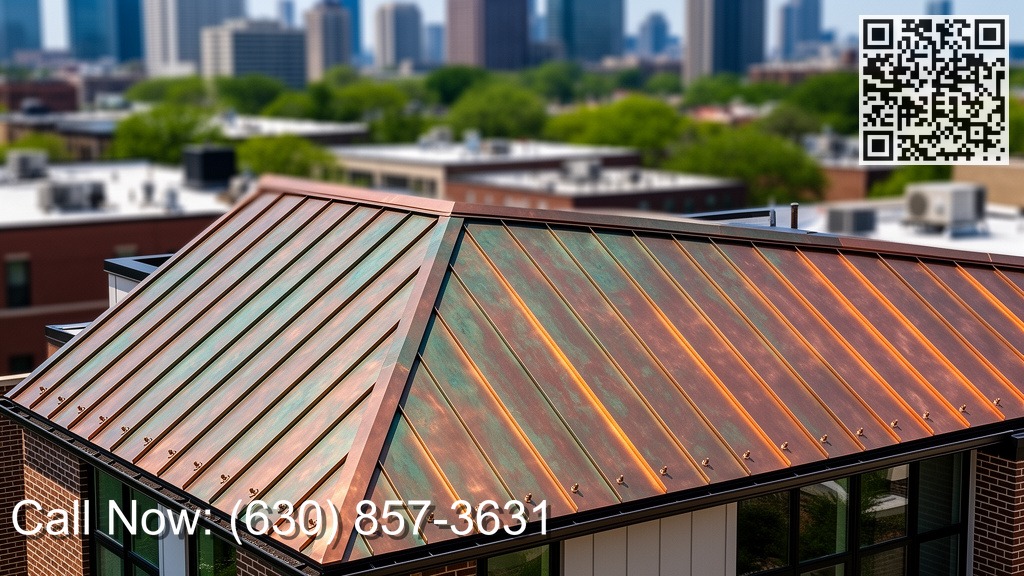
Synthetic roof covering is lighter, and that alters the structural equation
One of the least glamorous but crucial advantages of several artificial roofing systems is weight. Natural slate can be remarkably hefty. On some homes, particularly older structures or remodels, installing true slate might call for substantial architectural testimonial and support. That includes cost, intricacy, and time.
A top quality synthetic choice usually provides the slate or tremble check out a portion of the weight. For synthetic roof covering replacement work, this can open alternatives that would certainly or else be difficult or impractical. A homeowner might attain the visual result they desire without revamping sections of the roofing system framework. That can be particularly useful throughout tear-offs on older Chicago-area homes where framing conditions differ and hidden shocks are common.
Lighter products likewise help with taking care of on site. Teams can relocate them much more successfully, staged lots can be taken care of much more carefully, and specific roofing system details become simpler to carry out easily. None of that changes craftsmanship, yet it does improve the setup setting. In my experience, far better conditions typically result in better workmanship.
Freeze-thaw resistance is where product science makes its keep
A Chicago roofing system does not simply get wet. It splashes, ices up, defrosts, refreezes, and repeats the cycle over and over. That pattern penalizes any type of material that soaks up water readily or creates little cracks in time. As soon as wetness enters susceptible spots, broadening ice can increase the size of issues and speed up failure.
High-quality artificial roofing tiles and tiles are crafted to limit moisture-related damage. The toughest products withstand breaking, splitting, and edge malfunction under reduced temperatures. That matters most on revealed altitudes and in roofing locations where snow lingers. North-facing inclines, shaded valleys, and sections near smokeshaft saddles are where climate-smart choices prove their worth.
This is also why not all artificial roofs are equal. Some lower-end products may look appealing in a sales brochure however react badly to long term UV exposure, duplicated thermal biking, or effect events. The expression costs synthetic roof covering should indicate more than a greater price. It ought to show testing, shown formulation, reputable manufacturing, and a performance history in demanding climates.
Hail and wind resistance are no more particular niche concerns
Homeowners throughout the region are more familiar with hail risk than they were a years ago. Tornado patterns have actually become much less foreseeable, and more residential properties are experiencing damages from events that would certainly when have actually been thought about uncommon. Wind is the other continuous. Open up exposures, corner great deals, and homes near the lake or along more comprehensive suv hallways can face significant uplift stress and wind-driven rain.
A climate-smart roof assembly for this market requires to represent both. Much better synthetic roof often provide solid influence scores and durable attachment patterns. That does not make them untouchable, but it can reduce the chance of crack, dislodgement, or aesthetic damages serious enough to need widespread replacement.
For an artificial roofing contractor Chicagoland property owners can trust, this is where item expertise matters. It is not nearly enough to claim a roofing is resilient. The contractor must be able to discuss exactly how the product is ranked, how it is attached, just how it handles side zones and ridge conditions, and whether accessory parts become part of an examined system. That degree of quality is typically a good indication that the company deals with roofing as a performance discipline rather than a sales script.
Appearance matters, however authenticity matters more
There was a time when several synthetic roof covering items looked undoubtedly man-made. Sides were as well consistent, patterns repeated as well predictably, and shades did not have the subtle variant seen in all-natural products. The best modern products have actually improved significantly. Some architectural synthetic roofing accounts currently develop shadow lines, texture, and thickness that checked out well from both the ground and closer inspection.
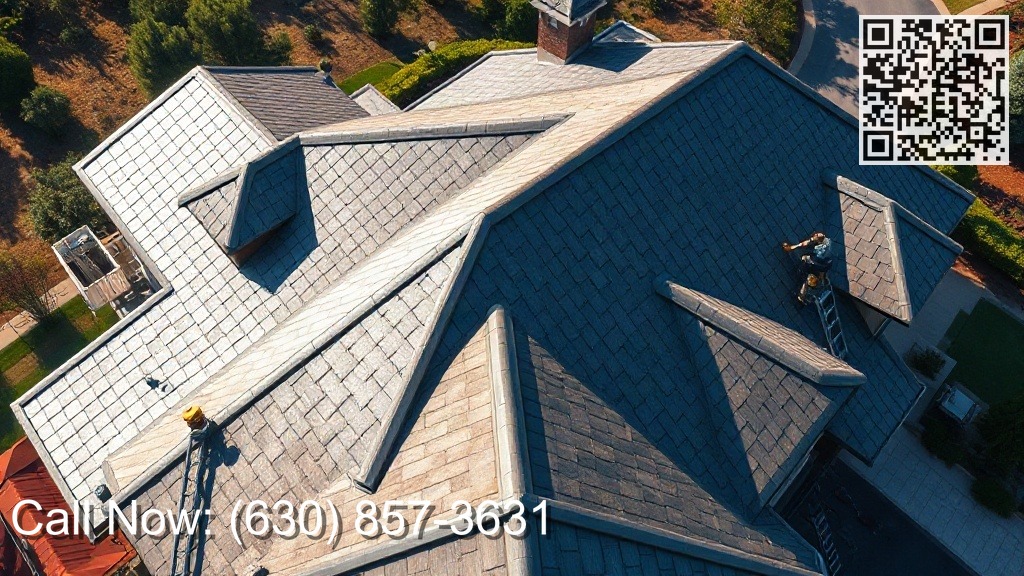
That makes them particularly appealing for residential artificial roofing in areas where building character carries weight. Partly of Chicago and the western suburban areas, proprietors desire roofs that enhance Tudor, French Country, Colonial, or contemporary custom-made styles without resorting to products that may be impractical for the structure or the upkeep budget.
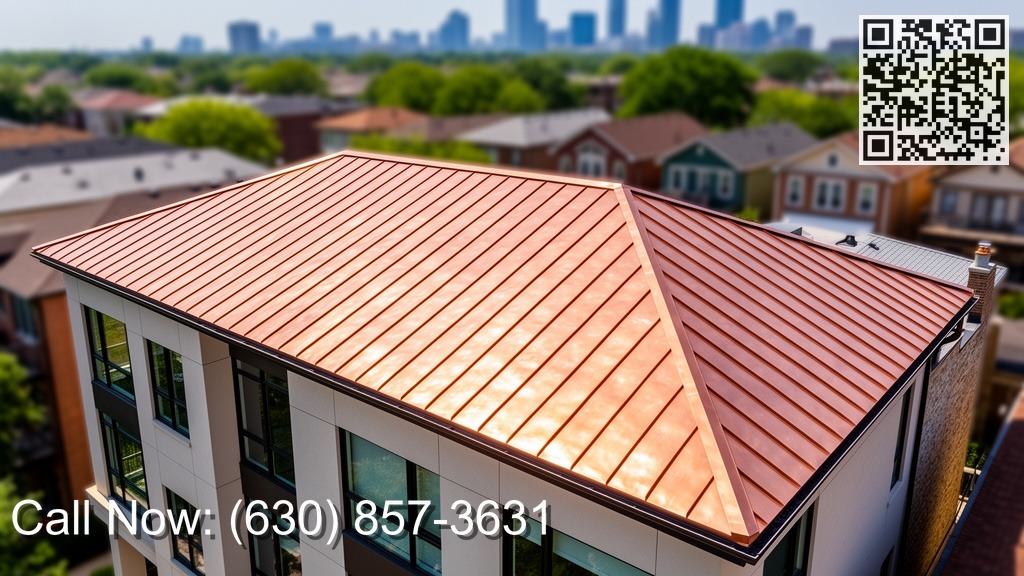
A well-selected artificial roof can resemble all-natural slate, hand-split cedar, or developer shake while providing more predictable weathering. Words predictable issues. With natural products, some variant belongs to the appeal. However there is a difference in between aging and damage. Synthetic products, when made well, often tend to hold visual uniformity much better throughout slopes and exposures, which can assist the roof look well balanced years after installation.
The installer matters as long as the material
Even the very best item can underperform if the staff does not understand the system. Synthetic roof covering installation is not the like standard asphalt work, and it must not be dealt with this way. Design, attachment, starter detailing, ridge changes, air flow strategy, underlayment choice, and blinking assimilation all are worthy of attention.
That is why picking skilled synthetic roofing system installers is critical. In the field, most roofing failings do not happen because a material pamphlet made an incorrect pledge. They occur because information were rushed, infiltration flashing https://sethdshc003.silverstonebrief.com/posts/synthetic-roofer-chicagoland-specialists-on-freeze-thaw-defense was improvisated, valleys were messed up, or air flow was overlooked. On a Chicago roof, tiny blunders get enhanced by weather.
A reliable synthetic roofing business need to stroll a home owner via the full setting up, not just the noticeable roofing covering. Underlayments, ice and water protection, attic air flow, outdoor decking condition, blinking steels, and drain details all impact service life. If a proposal concentrates only on the tile or floor tile itself, that is a warning sign.
Here are a couple of concerns worth asking any type of artificial roofing contractor prior to authorizing an agreement:
- Which details product are you installing, and why is it fit to this roofing and this climate?
- How will certainly you deal with at risk areas such as valleys, eaves, shifts, and penetrations?
- What underlayment and air flow strategy do you recommend, and just how does it support the warranty?
- Have you completed similar artificial roof substitute projects locally that I can review?
- Who supervises installment on website, and just how are producer specifications verified?
Those questions expose a whole lot, quickly. Experienced professionals usually address them with self-confidence and beneficial information. Inexperienced ones often tend to drift back toward basic claims.
Suburban tasks bring their own considerations
A synthetic roof Naperville IL project might encounter different site conditions than a dense city roofing system in Chicago appropriate, yet the climate logic remains the very same. Suburban homes commonly have larger roof impacts, more complicated altitudes, and higher exposure to crosswinds. Mature trees can add color, particles, and wetness retention in some locations, while open subdivisions can leave roofing systems completely exposed in others.
In Naperville, Hinsdale, Glen Ellyn, Barrington, and comparable communities, layout assumptions are typically high. Home owners might want the aesthetic splendor of cedar shake or slate without the persisting upkeep concern. That is where property artificial roof frequently makes a compelling case. It can satisfy building assumptions while minimizing problems regarding rot, brittleness, inconsistent weathering, or extreme structural load.
The right selection still relies on the house. A wide, low-slope transitional home might ask for a different account and color blend than a steep-pitched stone residence with traditional outlining. Great specialists do not require one product onto every project. They match roofing geometry, area context, spending plan, and performance needs to a system that makes sense.
Energy efficiency becomes part of the climate-smart discussion
Roofing discussions in the Midwest typically fixate cold weather, but summer season warmth ought to not be overlooked. Dark roofings can soak up substantial solar power, and attic room temperature levels can rise swiftly without correct ventilation. While the roofing covering alone is not a magic service, product choice, shade selection, and setting up layout all impact thermal behavior.
Some synthetic roof shingles are readily available in shades and formulas that better take care of solar gain than older, darker materials. More importantly, a correct artificial roof covering setup can be paired with modern underlayments and balanced air flow methods that assist the whole assembly carry out a lot more consistently. That can support indoor comfort and reduce stress and anxiety on heating and cooling systems, specifically in upper-story spaces.
This is a location where realistic expectations matter. The roofing covering is one item of a bigger system. Insulation degrees, attic room air securing, vent layout, and duct placement all shape power performance. A significant contractor will certainly describe that relationship instead of overselling a solitary item feature.
Maintenance is reduced, not nonexistent
One of one of the most usual misunderstandings about synthetic roofing systems is the idea that they eliminate maintenance entirely. They do not. What they frequently do is minimize the type and regularity of upkeep compared with certain natural materials.
A roof covering still requires regular assessment, especially after serious storms. Debris ought to be eliminated from valleys and gutters. Flashings still age. Sealers at specific changes might ultimately need attention. Branches can still scratch surface areas. Foot traffic can still harm badly dealt with areas. The distinction is that top quality artificial roof normally ask less of the owner with time while holding appearance and performance more reliably.
A reasonable upkeep regular usually consists of the following:
- An aesthetic inspection each spring and fall.
- A professional roofing system check after significant hailstorm or wind events.
- Gutter and valley cleansing to prevent water backup.
- Prompt repair of flashing or infiltration issues.
- Trimming looming branches that trap wetness or trigger abrasion.
That is convenient for most property owners, particularly compared with the recurring treatment some all-natural roofing materials require.
Cost ought to be evaluated over the life of the roof
Upfront cost matters, yet it ought to not dominate the decision. Synthetic roofing typically sets you back more than standard asphalt and much less than several premium natural materials, though precise prices differs commonly by item, intricacy, tear-off conditions, and area. The better comparison is life-cycle value.
If a home owner chooses a more affordable roof that needs earlier substitute, more fixings, or regular cosmetic focus, the obvious cost savings can vanish rapidly. By comparison, premium synthetic roof covering can make good sense when it prolongs life span, protects building value, minimizes maintenance, and avoids structural support that much heavier materials may require.
That is particularly pertinent in artificial roofing system replacement projects where the owner is currently spending significant cash on tear-off, disposal, blinking work, and site logistics. As soon as the roofing system is open, it is worth asking whether the chosen material will truly match your house and the environment for the next numerous decades.
Climate-smart roof is truly regarding informed restraint
The ideal roofing decisions in Chicago are hardly ever the flashiest ones. They come from recognizing the structure, the climate, and the trade-offs. Synthetic roof fits this market when it is picked for functional reasons as long as visual ones. It can deliver the look of costs standard products while lowering weight, enhancing resilience, and relieving maintenance demands in a punishing climate.
For owners considering synthetic roof covering Chicago alternatives, the objective must not be to chase fads. It should be to pick a product and an installer that respect what this environment does to roofings every year. That suggests looking past surface area appearance and asking how the roofing system will certainly do after 10 winter seasons, several storm periods, and lengthy stretches of summer season sun.
When an artificial roofer comes close to the project in this way, the result is typically a roofing system that feels exactly on your home, performs like it belongs in the region, and holds its value under conditions that subject every weak decision. In Chicago, that is what climate-smart actually means.
When Quality Matters
Salvo Architectural Roofing Contractors
566 West 5th Ave Naperville, IL 60563
(630) 857-3631
 Ask ChatGPT
 Ask Grok
 Ask Perplexity
 Ask Claude
 Ask Google AI
 Ask You